Field notes · ADU
Orange County, CaliforniaField note · Orange County
Step by Step Guide to Building an ADU in Orange County
From feasibility to certificate of occupancy: every step of an Orange County ADU build, who owns each one, and where timelines actually slip.
Field note
About this guide.
- Subject
- ADU · Avorino
- Written by
- Avorino
- Published
- Updated
- Reading time
- 3 min read
Permits, design, and construction process from planning to completion
Thinking about building an ADU in Orange County? You are not alone. ADUs have become one of the most practical ways to add property value, create rental income, and maximize unused space on your property.
The process can feel overwhelming at first, but once you understand the steps, it becomes much easier to manage.
Here is a step by step guide to help you move from planning to completion.
Step 1: Understand What You Can Build
Before anything else, confirm what is allowed on your property under local ADU regulations in Orange County.
Key factors include:
- Maximum ADU size
- Setback requirements
- Height limits
- Parking rules, which are often relaxed
Each city has slightly different requirements, so early verification is important.
Step 2: Define Your ADU Purpose
Your ADU should start with a clear purpose.
Common uses include:
- Rental income unit
- Guest house
- Multi-generational living space
- Home office or studio
Your goal will shape your layout, design, and budget decisions.
Step 3: Plan Your Budget and Financing
In Orange County, ADU construction typically ranges from $100,000 to $300,000+ , depending on size and finishes.
Key cost factors include:
- Site conditions
- Type of ADU
- Materials and finishes
- Utility connections
At this stage, using planning tools like a cost estimator and loan checker can help you understand your budget and financing options before committing to a design.
Step 4: Design Your ADU
Good design is what turns a small space into a functional home.
Focus on:
- Efficient layouts
- Natural lighting
- Smart storage solutions
- Privacy from the main home
A well-planned design improves both livability and long-term value.
Step 5: Permits and City Approval
Permits are required before construction can begin.
You will typically need:
- Architectural plans
- Structural engineering
- Energy compliance (Title 24)
- City review and approval
Approval times vary, but proper preparation helps avoid delays and revisions.
Step 6: Construction Phase
Once permits are approved, construction begins.
Typical stages include:
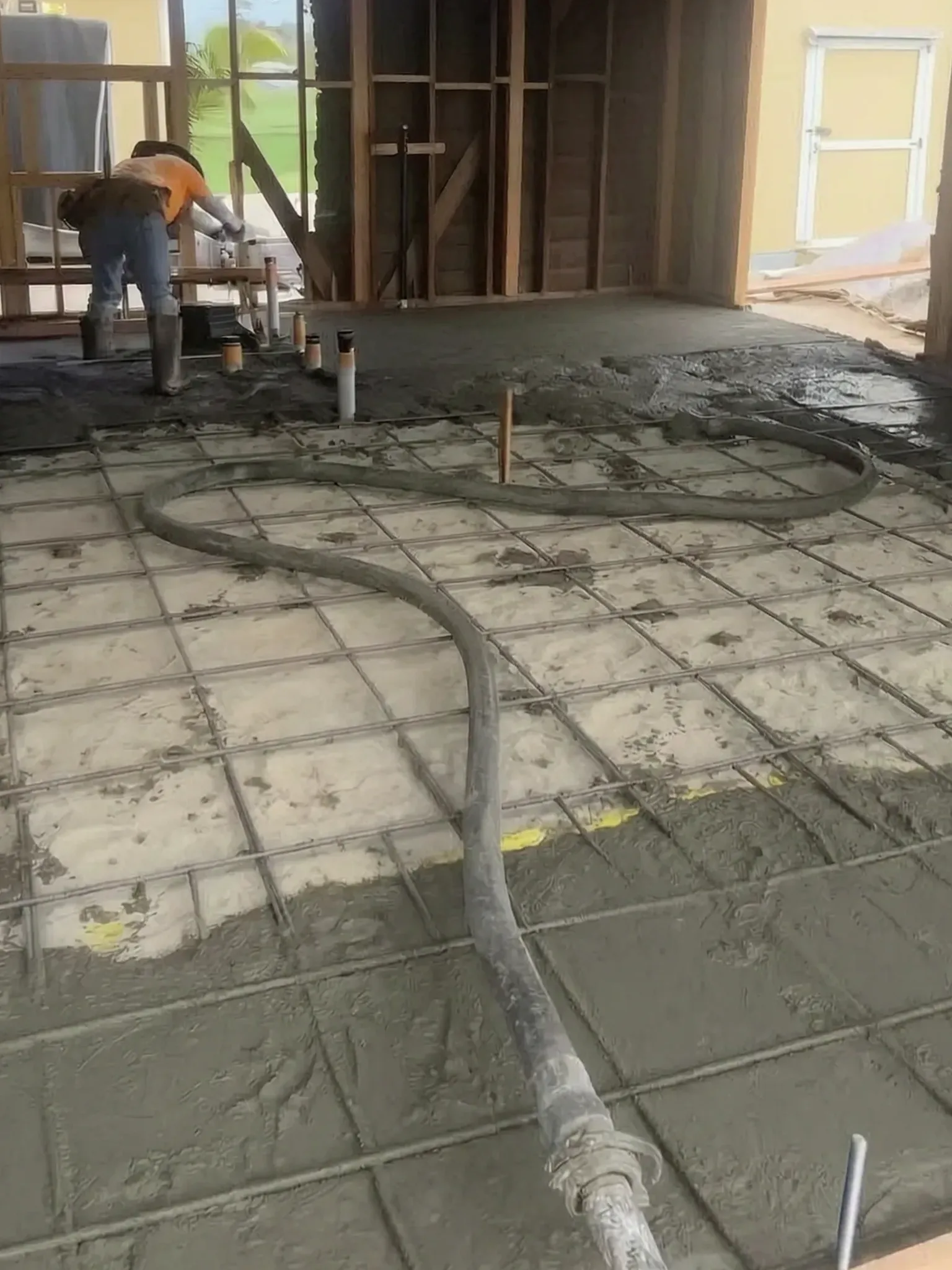
- Site preparation
- Foundation and framing
- Electrical, plumbing, HVAC
- Interior and exterior finishes
Most ADUs take around 4 to 8 months to complete.
Step 7: Final Inspection and Completion
Before occupancy, the city conducts a final inspection to ensure everything meets code requirements.
Once approved, your ADU is ready for use as:
- Rental income
- Family housing
- Personal space
Making Your ADU Project a Success
Building an ADU in Orange County is a major investment that can significantly increase property value and long-term flexibility.
The key is proper planning from the beginning so you avoid costly mistakes later in the process.
More field notes
Keep reading.
01 How long does it take to build an ADU in Orange County?
- ADU
- 4 min read
- Written by Avorino
Construction runs four to eight months or more by type. What decides your calendar is permitting, and the 60-day state clock is not what sets it.
Read the guide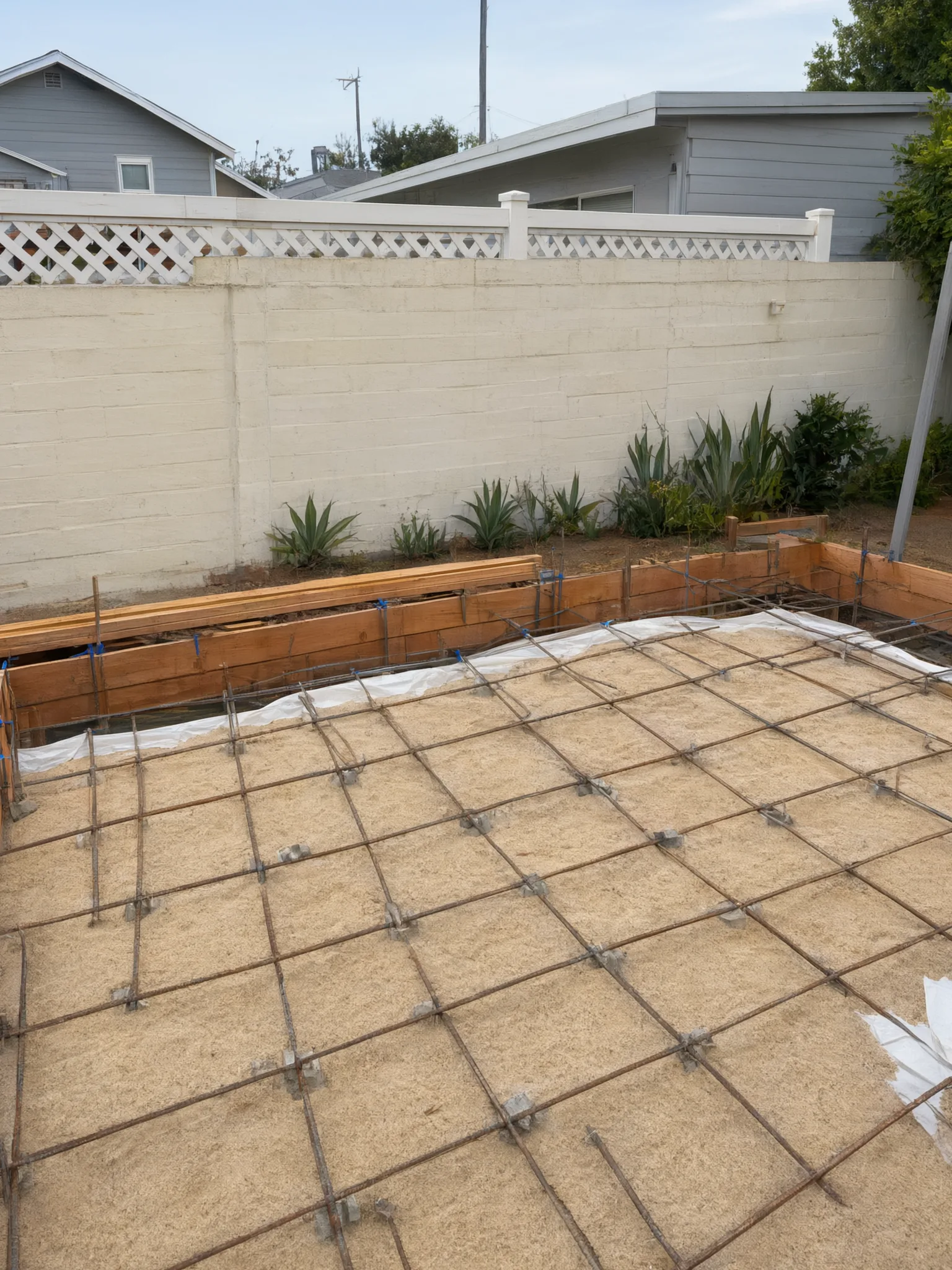
02 How Much Does an ADU Increase Property Value?
- ADU
- 4 min read
- Written by Avorino
There is no reliable single percentage. Here is what the appraisal rulebooks, the FHFA data and the peer-reviewed research actually say about ADU value.
Read the guide
03 ADU Floor Plan Spotlight: Bellecielo (830 SQFT)
- ADU
- 4 min read
- Written by Avorino
Inside Bellecielo: Avorino's 830 sq ft ADU floor plan. A room-by-room walkthrough, who it fits, and what it costs to build across Orange County.
Read the guide
Avorino builds this
From reading to building.
Same team, end-to-end
Want the answer for your specific project?

- 01Project
- 02Plans
- 03Context
- 04Contact