

ADU funding · California
CaliforniaADU grants in California: the state grant program is fully allocated, and CalHFA calls an offer to get you one “a financial scam.”
The state grant is fully allocated.
The cost ranges are Avorino’s published Orange County figures, across the 37 cities we build in, under California General-B License #1107538.
The short answer
Is the grant still available?
California’s ADU grant was the CalHFA ADU Grant Program, and its latest round of funding is fully allocated: CalHFA’s ADU page carries a program update dated December 28, 2023 reading “The latest round of ADU funding has been fully allocated,” and that is still the most recent update in the copy of the page archived on July 14, 2026. While it ran, the program provided “grants up to $40,000 to reimburse pre-development and non-recurring closing costs associated with the construction of an ADU,” which is the design, permit and closing work that comes before a build rather than the build itself.
What the grant was
What the grant covered while it ran.
Pre-development costs, up to a cap, paid back rather than paid out: the drawings, the studies and the fees a homeowner pays before a shovel moves. CalHFA’s wording is pre-development and non-recurring closing costs rather than construction, so the build itself was the owner’s cost then and is the whole cost now. Even at the full amount the grant was a contribution to the front end of a build that costs far more, which is why a budget built on one was always fragile, and why a budget without one is not the setback it sounds like.
Run your numbersThe grant, in CalHFA’s figures
- Reimbursed, not paid up front
- Up to $40,000
- · pre-development and closing costs
- The latest round, fully allocated
- Dec 28, 2023
- · still the latest update on July 14, 2026
- A garage conversion now, typically
- $85K – $170K+
- · 4–6+ mo
- 01Price the build
- 02Price the money
- 03Build it
Built by Avorino · Brea, California
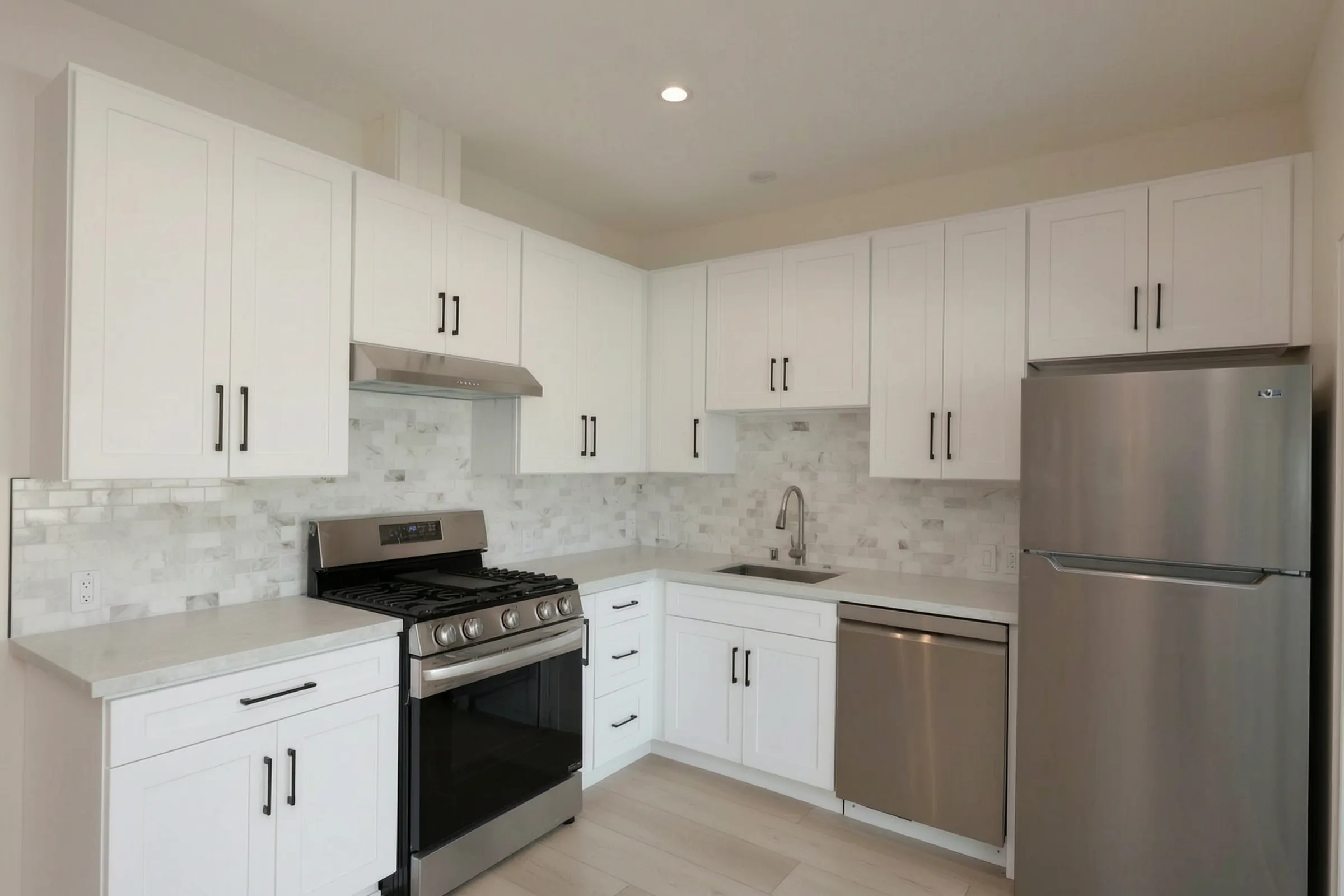
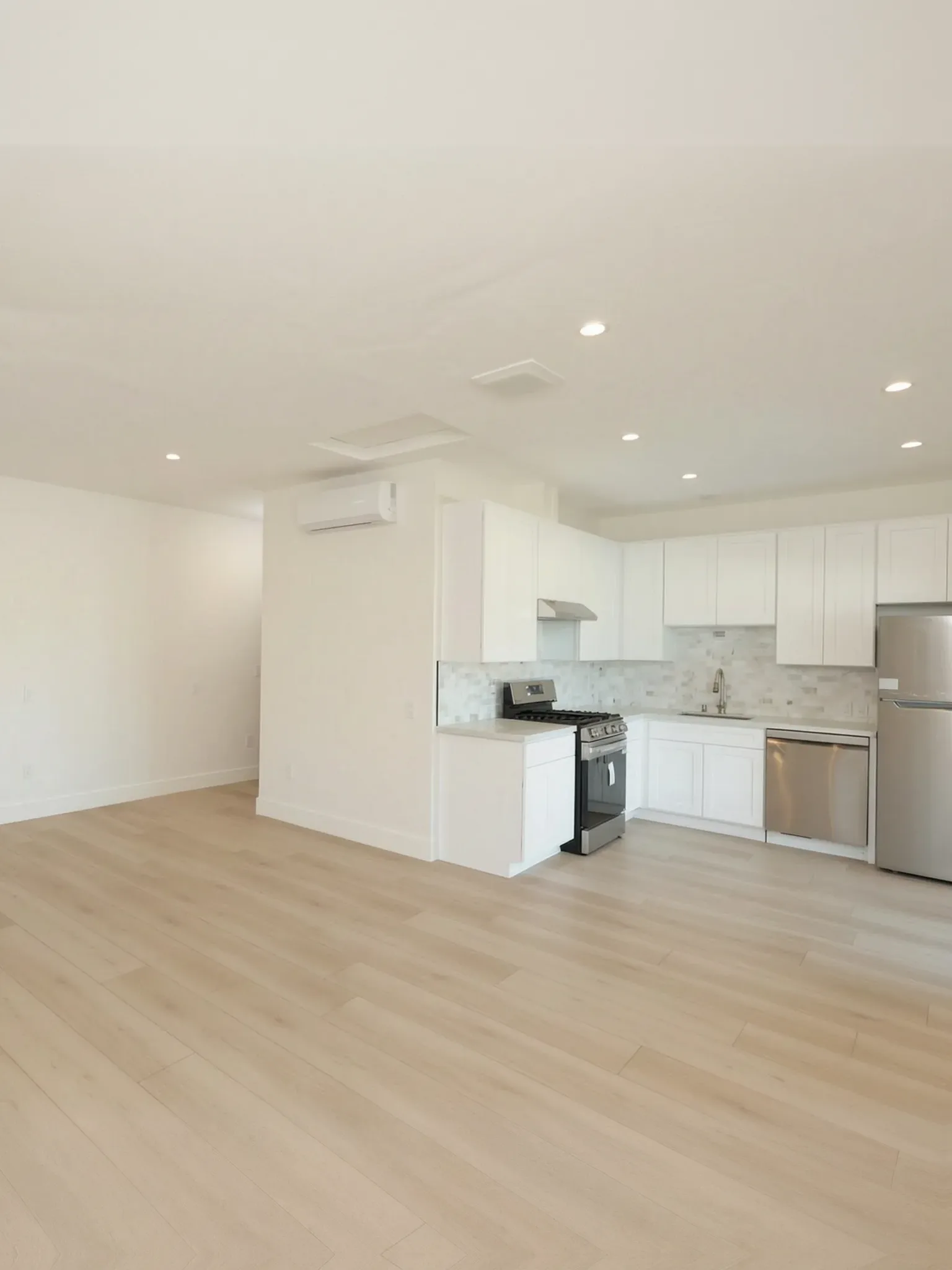
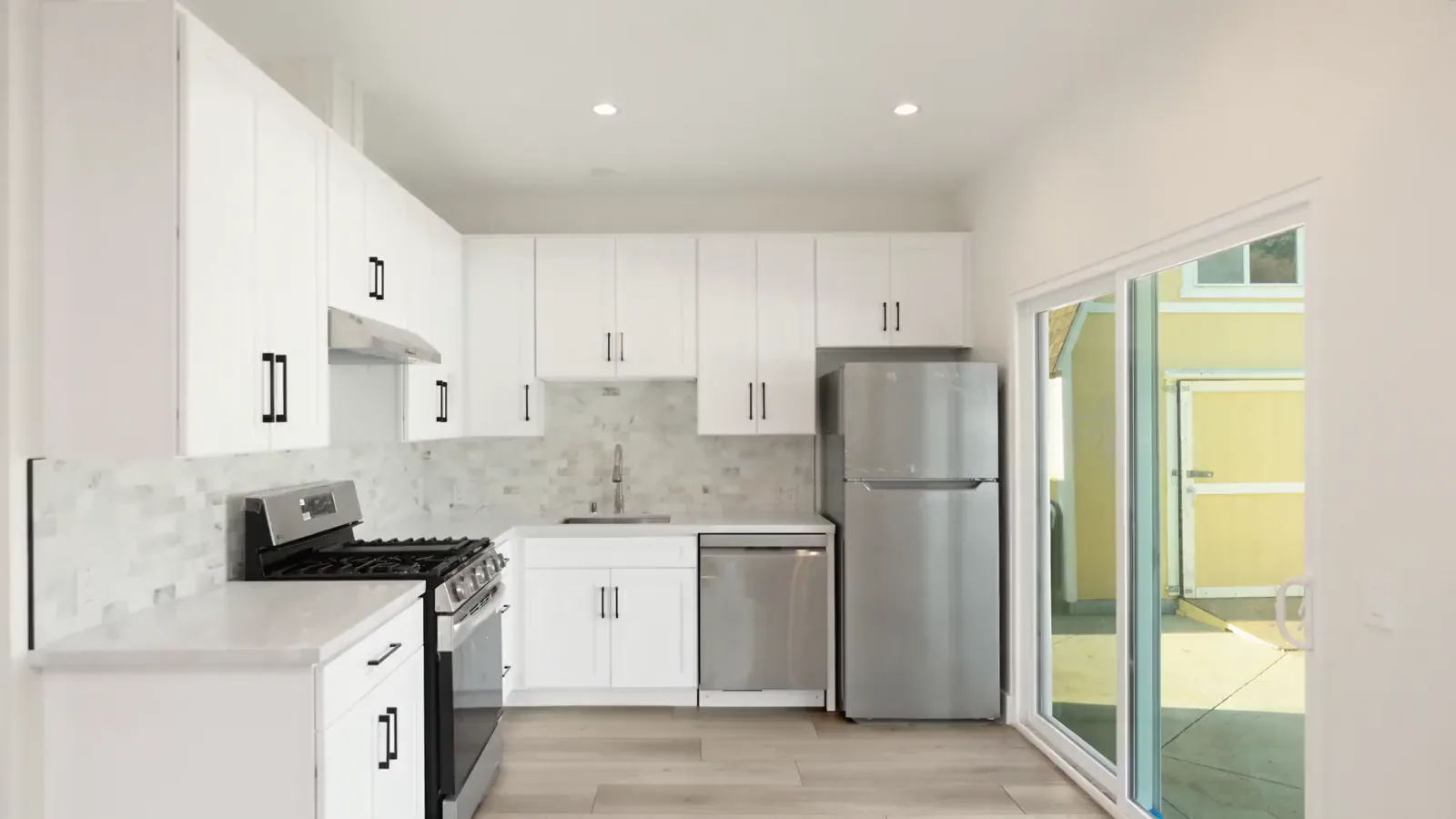
What the cheapest route looks like, finished.
The finished kitchen of a garage conversion in Brea, filmed as built: the cheapest of the three routes priced below.
- 01 / 03The kitchenWhite shaker cabinets over a marble-look backsplash.
- 02 / 03StainlessA gas range, a dishwasher and a stainless refrigerator.
- 03 / 03To the yardA glass slider opens the kitchen to the yard.
What CalHFA says
What CalHFA’s page says.
Every statement below is CalHFA’s wording, from the copy of calhfa.ca.gov/adu archived on July 14, 2026. The program-updates block is two sentences long and it settles the question.
Get the real number| What the page carries | CalHFA's words |
|---|---|
| The program update | “December 28, 2023 - The latest round of ADU funding has been fully allocated.” No later update appears on the page. |
| The warning beside it | “If anyone approaches you saying they can help you get an ADU Grant, it is a financial scam.” |
| What to do about it | “Do not contact them further; if they give you any information like names or phone numbers, please forward that information to marketing@calhfa.ca.gov.” |
| What the program provided | “providing grants up to $40,000 to reimburse pre-development and non-recurring closing costs associated with the construction of an ADU” |
| What pre-development meant | “Pre-development costs include site prep, architectural designs, permits, soil tests, impact fees, property surveys, and energy reports.” |
| Lenders | A link labelled “Current list of lenders and financing partners”. The archived copy carries the label without the list behind it. |
| Income limits | A link labelled “CalHFA ADU Grant Program income limits”. The archived copy carries the label without the figures behind it. |
| The older names | Accessory dwelling units “have been known by many names: granny flats, in-law units, backyard cottages, secondary units and more.” |
01
Why the second sentence matters.
CalHFA put the warning directly beside the allocation notice, so the two belong together: funding that is fully allocated cannot be obtained for you, and CalHFA calls an offer to do it “a financial scam.” We are a builder, not a lender or a grant administrator, and we do not take a fee to chase funding for anyone.
02
Lenders and income limits.
Both are link labels, and the archived copy we read carries the labels without the lists behind them. We therefore say that lenders and income limits existed, and we say nothing about their contents. Anyone quoting you an income threshold from memory, ours included, would be guessing, and CalHFA is the only place to read the real ones.
03
What to do instead of waiting for a grant.
Price the build, then price the money. The ADU cost estimator returns a range in about a minute, and the financing page sets out the loan structures. If the question underneath the grant search was really “which type can my lot take,” What is an ADU compares all four typologies, Junior ADU covers the smallest one, and the ADU hub carries the process, the permits and the cities we build in.
Your budget
How to fund the rest.
What this means for your budget: price the build, price the money, then build it.

01 / 03
Price the build.
It means the ADU is financed the ordinary way, and the number that matters is the build cost rather than the grant that is not coming. These are our published Orange County ranges for the three routes people usually weigh when they arrive here looking for grant money, cheapest first. They move with size, site conditions and finish level.
- Garage conversion · 350 – 600 sqft · typically $85K – $170K+ · 4–6+ mo
- Junior ADU (JADU) · 300 – 500 sqft · typically $135K – $220K+ · 4–6+ mo
- Detached ADU · 500 – 1,200 sqft · typically $245K – $440K+ · 5–8+ mo
02 / 03
Price the money.
The financing page sets out the loan structures that actually fund ADUs in California, from a cash-out refinance to construction-to-permanent lending. We are a builder, not a lender or a grant administrator, and we do not take a fee to chase funding for anyone.
03 / 03
Then build it.
Avorino handles design, structural engineering, Title 24 calculations and permitting in-house, on one fixed-price contract, across 37 Orange County cities. Watching CalHFA's page costs nothing either, and it is where CalHFA would announce a new round.
Built by Avorino
What the build buys.
Completed Avorino ADUs, photographed as built, each financed the ordinary way.
01 / 08
01 / The grant
Is the CalHFA ADU grant still available?
No. CalHFA's ADU page carries a program update dated December 28, 2023 that reads "The latest round of ADU funding has been fully allocated." That is still the most recent update on the page in the copy archived on July 14, 2026, so the grant has been closed for well over two years. CalHFA's own page is the place to check whether a new round is ever announced.
How much was the California ADU grant?
Up to $40,000, and it was a reimbursement rather than a check up front. CalHFA describes the program as "providing grants up to $40,000 to reimburse pre-development and non-recurring closing costs associated with the construction of an ADU." Because it was capped at that amount and covered pre-development and closing costs rather than construction, it was never going to fund a build on its own.
What did the ADU grant cover?
Pre-development and non-recurring closing costs rather than construction, and CalHFA lists what the pre-development half meant: "Pre-development costs include site prep, architectural designs, permits, soil tests, impact fees, property surveys, and energy reports." Framing, roofing, finishes and the rest of the build were the owner's cost then, and are the whole cost now.
Who qualified for the California ADU grant?
The page links to "Current list of lenders and financing partners" and to "CalHFA ADU Grant Program income limits", which is the only evidence this page has of how the grant was delivered. Both are link labels, and the copy archived on July 14, 2026 carries the labels without the lists behind them, so we say that lenders and income limits existed and we say nothing about their contents. CalHFA is the only place to read them, and anyone quoting you an income threshold from memory, ours included, would be guessing.
What is the California secondary unit program?
"Secondary unit" is one of the older names for an accessory dwelling unit, not a separate program. CalHFA puts it plainly: accessory dwelling units "have been known by many names: granny flats, in-law units, backyard cottages, secondary units and more." The state program attached to that name is the CalHFA ADU Grant Program, and it is fully allocated.
02 / Scams, programs and cost now
Is there a California ADU program I can apply to right now?
Not one we can point you to. The statewide program is the CalHFA ADU Grant Program, and its latest round of funding is fully allocated in the copy of CalHFA's page archived on July 14, 2026. CalHFA's ADU page is where CalHFA would announce a new round, so that is the page to watch. For anything local, ask your own city's planning or housing department directly: we have not verified any city or county program and we name none here.
How do I spot an ADU grant scam?
CalHFA answers this in one line: "If anyone approaches you saying they can help you get an ADU Grant, it is a financial scam." The page adds what to do about it: "Do not contact them further; if they give you any information like names or phone numbers, please forward that information to marketing@calhfa.ca.gov." Anyone charging a fee, an application cost or a deposit to secure ADU grant money is offering to obtain funding that CalHFA's own page says is fully allocated.
What does an ADU cost in Orange County without a grant?
A garage conversion typically runs $85K – $170K+ over 4–6+ mo, a Junior ADU typically $135K – $220K+ over 4–6+ mo, and a detached ADU typically $245K – $440K+ over 5–8+ mo. Those are Avorino's published Orange County ranges and they move with size, site conditions and finish level. The Avorino cost estimator prices your city, square footage and finish level in about a minute.
Sources
Where these statements come from.
Every quotation on this page is word for word from CalHFA’s ADU page, read in the copy archived on July 14, 2026 because the live page does not answer from our network. Where the archived page carries only a link label, we say so rather than fill the gap. Both links sit at the foot of the page. Nothing here is legal, tax or lending advice, and program status changes: read CalHFA’s page before you plan around any of it.
Source: the California Housing Finance Agency’s ADU page, calhfa.ca.gov/adu, read in the archived copy dated July 14, 2026, and quoted word for word. We read the archived copy because the live page does not respond to requests from our network, which is a limit on us and not a statement about the page: treat calhfa.ca.gov as the current record and this page as a reading of it. Every dollar, square-foot and month range outside those quotations is Avorino’s published Orange County figure. Program terms and funding change, and this page was last checked on August 29, 2026.
Get the real number
Get the real number for your lot.
Send us the address and what you have in mind. Avorino handles design, structural engineering, Title 24 calculations and permitting in-house, on one fixed-price contract, across 37 Orange County cities. No grant paperwork, no funding chase, just the build and what it costs.

- 01Project
- 02Plans
- 03Context
- 04Contact
Questions
Quick answers
Can Avorino help me get a California accessory dwelling unit grant?
We are a builder, not a lender or a grant administrator, and we do not take a fee to chase funding for anyone. The latest round of funding is fully allocated in the archived copy of the California Housing Finance Agency's page.
Where can I check for new California accessory dwelling unit grant funding?
We point you to the California Housing Finance Agency's accessory dwelling unit page, where it would announce a new round. The latest round of funding is fully allocated in the archived copy.
How can I finance an accessory dwelling unit in California without a grant?
Our financing page sets out the loan structures that fund accessory dwelling units in California, from a cash-out refinance to construction-to-permanent lending. Price the build, then price the money.