

Field notes · Investment
Orange County, CaliforniaField note · Orange County
ADU Rental ROI in Orange County: Real Cost-to-Income Numbers
For many Orange County homeowners, an ADU is no longer just extra space — it is a long-term rental asset. Here is what the real cost-to-rental-income math looks like before you commit to a build.
Field note
About this guide.
- Subject
- Investment · Avorino
- Written by
- Avorino
- Published
- Updated
- Reading time
- 14 min read
Why ADUs Are Becoming a Rental Income Strategy
For many Orange County homeowners, an accessory dwelling unit is no longer just extra space. It is also being evaluated as a long-term rental asset.
A detached ADU, garage conversion ADU, or attached ADU can provide housing for family, support multigenerational living, and create potential monthly rental income. But before homeowners begin designing a unit, they need to understand the numbers behind the decision.
The question is not only, “How much does an ADU cost?”
The better question is, “How does the total cost compare to realistic rental income, financing, operating expenses, and long-term property goals?”
This guide breaks down practical ADU rental ROI considerations for Orange County homeowners, including real cost ranges, rent assumptions, gross yield, payback period, and the planning factors that can change the final return.
Why ADU Rental ROI Matters in Orange County
Orange County remains one of California’s most expensive housing markets. That creates pressure for renters, but it also creates opportunity for homeowners who have space to add a legal secondary unit.
Recent rental market data shows that the average apartment rent in Orange County is about $2,896 per month, with studios averaging about $2,115 per month. Those figures vary by city, unit size, amenities, location, and property condition, but they help explain why many homeowners are evaluating ADUs as a rental income strategy.
ADUs can be especially attractive because they use land the homeowner already owns. Instead of buying a separate rental property, the homeowner may be able to create a new rental unit on an existing lot.
However, rental ROI depends heavily on the total project cost. A low-cost garage conversion may produce a very different return than a larger detached ADU with new foundation work, utility extensions, and higher-end finishes.
Start With the Type of ADU
The type of ADU has a major impact on both cost and rental income.
Garage Conversion ADU
A garage conversion ADU usually starts with an existing structure. Because the garage already has a roof, walls, slab, and driveway access, it may cost less than building a new detached structure.
However, garage conversions are not always simple. Costs can increase if the garage needs slab repairs, structural upgrades, plumbing trenching, electrical panel upgrades, insulation, ventilation improvements, or moisture protection.
A garage conversion may be a strong rental ROI option when the existing garage is in good condition and utilities are reasonably accessible.
Detached ADU
A detached ADU is a separate structure on the property. It often offers more privacy, a better rental experience, and stronger long-term flexibility.
Detached ADUs usually cost more because they may require a new foundation, framing, roofing, full utility connections, site work, exterior finishes, and separate systems.
The rental income potential may also be higher, especially if the unit has a private entrance, outdoor space, a full kitchen, laundry, and a functional layout.
Attached ADU
An attached ADU is connected to the main home. It may be created through an addition or by converting part of the existing house.
Attached ADUs can fall between garage conversions and detached ADUs in both cost and rental appeal. Privacy, sound separation, entry location, and utility planning are especially important.
Junior ADU
A Junior ADU, or JADU, is typically smaller and created within the existing home footprint. It may cost less than a full ADU, but it may also have more limits on size, layout, and rental appeal.
For rental ROI, homeowners should compare the expected income against the practical use of the space and the rules that apply to JADUs.
Realistic ADU Cost Ranges in Orange County
ADU costs vary widely based on size, structure type, site conditions, finish level, utilities, city requirements, and construction complexity.
Industry pricing guides for Orange County commonly show garage conversions in the lower range and detached ADUs in the higher range. Some local 2026 cost guides place Orange County garage conversions around $80,000 to $150,000, while detached ADUs can range from about $150,000 to $400,000 or more depending on size and complexity.
These ranges are not guarantees. They are planning ranges. A homeowner should expect the final number to depend on the property.
Common ADU cost drivers include:
- ADU type
- Size and layout
- Garage condition, if converting
- Foundation needs
- Utility distance
- Sewer connection
- Electrical panel capacity
- Plumbing complexity
- HVAC system
- Fire safety requirements
- Window and door changes
- Kitchen and bathroom finish level
- Site access
- Drainage or grading
- Permit requirements
- Material selections
- Construction labor
For rental ROI, the most important number is not the advertised starting cost. It is the cost to complete the legal, rentable unit.
Sample Cost-to-Rent Scenarios
The examples below are simplified planning models. They are not guarantees, appraisals, lender estimates, or rental projections. They are meant to show how cost and rent interact.
Scenario 1: Garage Conversion ADU
Estimated project cost: $125,000 Estimated monthly rent: $2,200 Annual gross rent: $26,400 Gross payback period: about 4.7 years Gross yield: about 21.1 percent
This is the type of scenario that makes garage conversions attractive. If the existing structure is in good shape and the rent is realistic for the neighborhood, the payback period can look strong.
But the homeowner still needs to account for maintenance, insurance, vacancy, utilities, financing costs, taxes, and property management if applicable.
Scenario 2: Higher-Cost Garage Conversion
Estimated project cost: $175,000 Estimated monthly rent: $2,300 Annual gross rent: $27,600 Gross payback period: about 6.3 years Gross yield: about 15.8 percent
This scenario may apply when the garage requires more upgrades, plumbing is difficult, or finishes are higher. The project can still make sense, but the return becomes more sensitive to rent, financing, and operating costs.
Scenario 3: Small Detached ADU
Estimated project cost: $250,000 Estimated monthly rent: $2,800 Annual gross rent: $33,600 Gross payback period: about 7.4 years Gross yield: about 13.4 percent
A detached ADU usually costs more, but it may also command higher rent because it can offer more privacy and a better living experience.
This may appeal to homeowners who want a balance of rental income, family flexibility, and long-term property value.
Scenario 4: Larger Detached ADU
Estimated project cost: $350,000 Estimated monthly rent: $3,400 Annual gross rent: $40,800 Gross payback period: about 8.6 years Gross yield: about 11.7 percent
A larger detached ADU may produce more rent, but the construction cost can rise quickly. Homeowners should be careful not to assume that a bigger ADU always creates a better ROI.
A smaller, well-designed unit can sometimes produce a stronger return than a larger, more expensive build.
Gross ROI vs. Net ROI
Many homeowners calculate ADU ROI using only monthly rent. That is a useful starting point, but it is not the full picture.
Gross rent is the total rent collected before expenses.
Net income is what remains after expenses.
Common ADU expenses may include:
- Vacancy allowance
- Repairs and maintenance
- Insurance changes
- Property tax impact
- Utilities, if included
- Property management, if used
- Cleaning or turnover costs
- Landscaping or exterior maintenance
- Financing payments
- Permit or compliance-related costs
- Long-term capital reserves
For example, an ADU renting for $2,800 per month produces $33,600 in annual gross rent. But if annual expenses are $6,000, the net operating income becomes $27,600 before financing.
That difference matters when evaluating true rental ROI.
A Simple ADU ROI Formula
Homeowners can start with three basic calculations.
Annual Gross Rent
Monthly rent x 12 = annual gross rent
Example:
$2,800 x 12 = $33,600
Gross Yield
Annual gross rent ÷ total project cost = gross yield
Example:
$33,600 ÷ $250,000 = 13.4 percent gross yield
Gross Payback Period
Total project cost ÷ annual gross rent = gross payback period
Example:
$250,000 ÷ $33,600 = 7.4 years
These formulas are simple, but they help homeowners compare different ADU options before committing to a design.
Why Local Rent Assumptions Matter
Rental income can vary significantly across Orange County.
A studio or one-bedroom ADU in a higher-rent coastal or employment-heavy area may rent for more than a similar unit in a lower-rent submarket. Privacy, parking, laundry, outdoor space, utilities, finishes, and proximity to jobs or schools can also affect rent.
Homeowners should review:
- Current local rents
- Comparable units nearby
- Studio and one-bedroom apartment rents
- ADU listings, when available
- Vacancy risk
- Tenant demand
- City-specific rental rules
- Whether utilities will be included
- Whether the unit will be furnished or unfurnished
Countywide averages can provide context, but the best rental estimate comes from local comparable listings.
How Permits Affect ROI
Permits can affect both cost and timeline. California strongly supports ADU development, but legal ADUs still need plan review, building permits, and inspections.
The California Department of Housing and Community Development updated its ADU Handbook in March 2026, including changes to state ADU law effective January 1, 2026. The handbook is a useful reference for homeowners and local agencies, but individual projects still need to comply with applicable objective standards, building codes, and local review requirements.
Permit-related delays can affect ROI because each month of delay may postpone rental income.
For example, if an ADU is expected to rent for $2,800 per month, a three-month delay could represent $8,400 in delayed gross rent.
This does not mean homeowners should rush the permit process. It means they should plan early, submit complete documents, and avoid preventable corrections.
The Cost of Financing an ADU
If a homeowner pays cash, the ROI calculation is simpler. If the project is financed, the monthly payment becomes a major factor.
Financing may come from:
- Home equity loan
- HELOC
- Cash-out refinance
- Construction loan
- Renovation loan
- Personal savings
- A combination of sources
A financed ADU can still make sense, but the rental income needs to be compared against the monthly payment.
For example:
Monthly rent: $2,800 Estimated monthly loan payment: $1,900 Estimated monthly expenses and reserves: $400 Estimated monthly cash flow before taxes: $500
This simplified example shows why financing assumptions matter. The same ADU can look very different depending on interest rate, loan term, down payment, and total cost.
Property Value Is Part of the ROI
Rental income is only one part of the return. A permitted ADU may also support long-term property value because it adds legal living space and flexible use.
Potential value drivers include:
- Legal independent dwelling unit
- Rental income potential
- Multigenerational living flexibility
- Guest or caregiver space
- Future downsizing option
- Improved property functionality
- More housing on an existing lot
However, homeowners should avoid assuming a fixed percentage increase in property value. Value depends on location, construction quality, legal status, rental demand, design, privacy, and the buyer pool.
A legal, well-built ADU is usually easier to explain to future buyers, appraisers, lenders, and inspectors than an unpermitted conversion.
Garage Conversion vs. Detached ADU: Which Has Better ROI?
The answer depends on the property.
A garage conversion may have a stronger percentage return because the upfront cost is often lower. But a detached ADU may create a better living experience, higher rent, stronger privacy, and broader long-term use.
A garage conversion may be better when:
- The garage is in good condition
- Plumbing and sewer access are practical
- The homeowner wants lower upfront cost
- The lot does not easily support a detached ADU
- Rental demand supports a smaller unit
- The homeowner can give up garage use
A detached ADU may be better when:
- Privacy is important
- The backyard has enough space
- Higher rent is possible
- The homeowner wants a larger unit
- The garage is still needed
- Long-term flexibility matters more than lowest upfront cost
The best ROI is not always the cheapest project. It is the project that fits the property, rental market, budget, and homeowner’s long-term plan.
Design Choices That Improve Rental Appeal
Small design choices can affect rent, tenant satisfaction, and long-term maintenance.
For rental-focused ADUs, homeowners should consider:
- Private entrance
- Good natural light
- Durable flooring
- Efficient kitchen layout
- In-unit laundry, when possible
- Built-in storage
- Sound separation
- Mini-split heating and cooling
- Easy-to-clean surfaces
- Low-maintenance landscaping
- Clear utility arrangement
- Privacy from the main home
- Good exterior lighting
A rental ADU should be designed like a small home, not like leftover space.
Mistakes That Can Hurt ROI
Common mistakes include:
- Underestimating utility costs
- Ignoring electrical panel capacity
- Choosing finishes that are too expensive for the rent level
- Designing a unit with poor privacy
- Assuming rent without checking local comparables
- Forgetting vacancy and maintenance reserves
- Treating a garage conversion like a basic remodel
- Starting design before reviewing feasibility
- Not planning for city review and inspections
- Building more square footage than the rental market supports
A profitable ADU starts with realistic planning before construction begins.
What Orange County Homeowners Should Review Before Building
Before building an ADU for rental income, homeowners should review:
- What type of ADU fits the property
- Estimated total project cost
- Expected monthly rent
- Financing options
- Permit requirements
- Utility needs
- Local rental demand
- Vacancy assumptions
- Maintenance and operating costs
- Privacy and access
- Long-term property goals
- Tax and insurance considerations
Homeowners should also speak with qualified tax, insurance, lending, and real estate professionals before making investment decisions.
ADU ROI Starts With the Right Assumptions
An ADU can be a strong rental income strategy for Orange County homeowners, but the numbers must be reviewed carefully.
The most useful ROI calculation starts with realistic construction costs, local rent assumptions, financing details, operating expenses, and a clear understanding of the permit timeline.
A garage conversion may offer a faster path and lower upfront cost. A detached ADU may offer stronger rental appeal and long-term flexibility. The right choice depends on the property, budget, city requirements, and homeowner’s goals.
Before designing the ADU, homeowners should run the numbers first. A well-planned ADU is not just extra space. It is a long-term investment in how the property works.
More field notes
Keep reading.
01 Why Custom Kitchen Cabinetry Is Worth the Investment in an Orange County Renovation
- Investment
- 4 min read
- Written by Avorino
Custom kitchen cabinetry can improve storage, make better use of your space, and create a kitchen that fits the way you live. Learn why custom cabinetry can be a worthwhile investment for an Orange County renovation.
Read the guide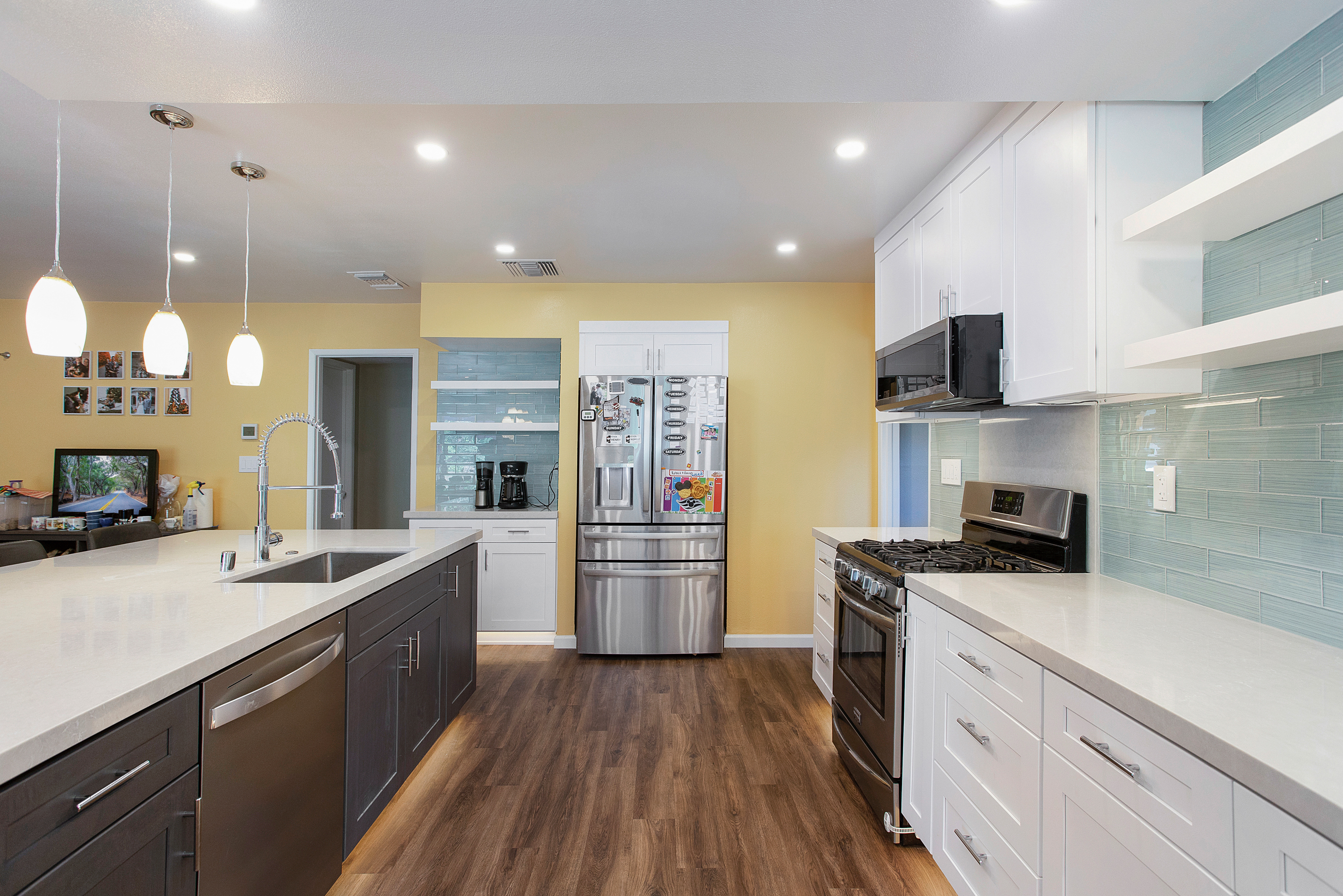
02 How to Maximize ADU Rental Income in California (2026)
- Investment
- 4 min read
- Written by Avorino
Orange County ADUs rent for $3,000–$4,500+/mo. The layout, finish, and city choices that push your unit toward the top of that range.
Read the guide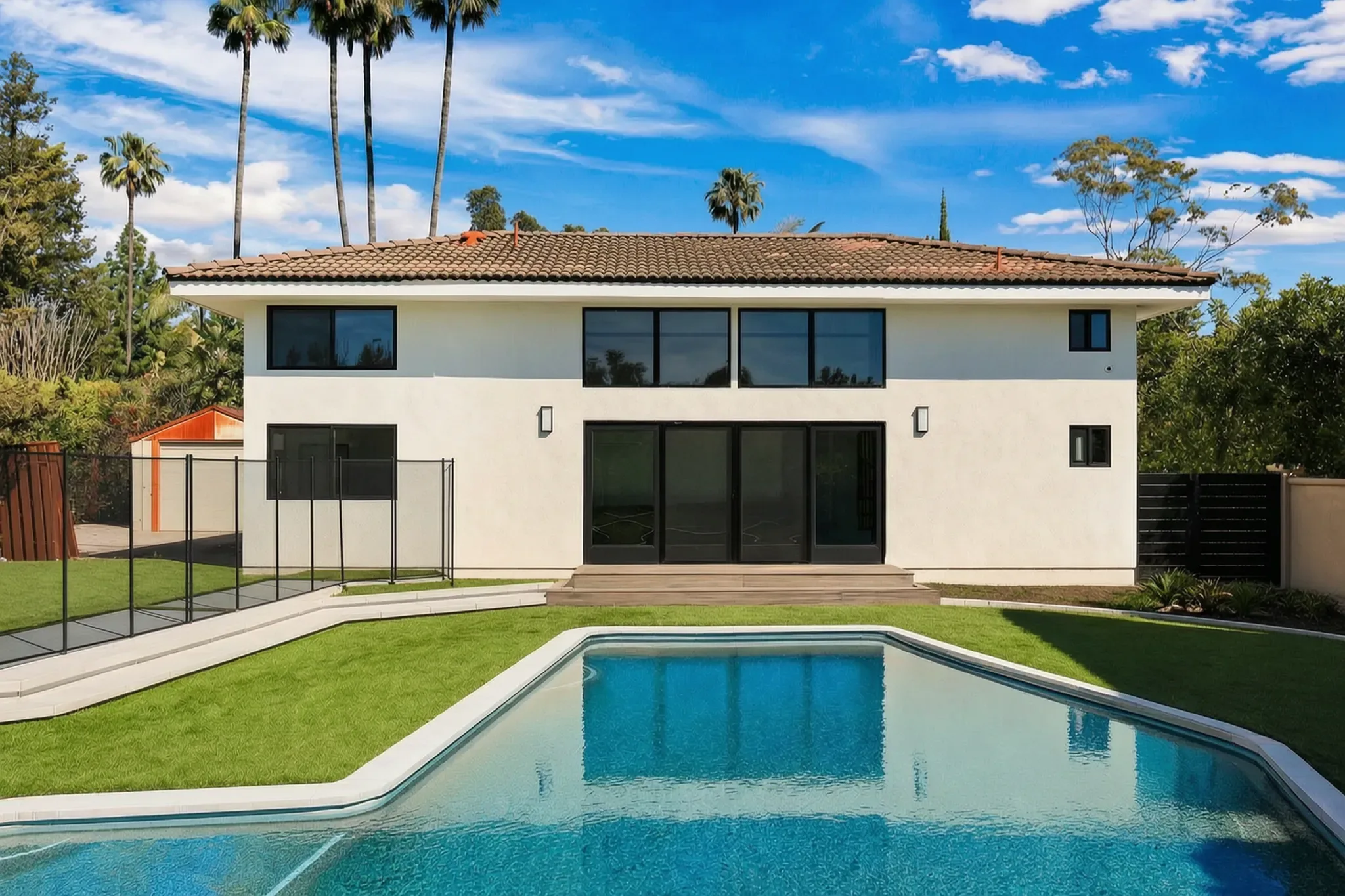
03 Is a 2-Bedroom ADU Worth It? Costs, Uses, and Rental Value
- Investment
- 4 min read
- Written by Avorino
A 2-bedroom ADU costs more to build and rents for more. When the bigger floor plan pays off for multigenerational living, guests, or income.
Read the guide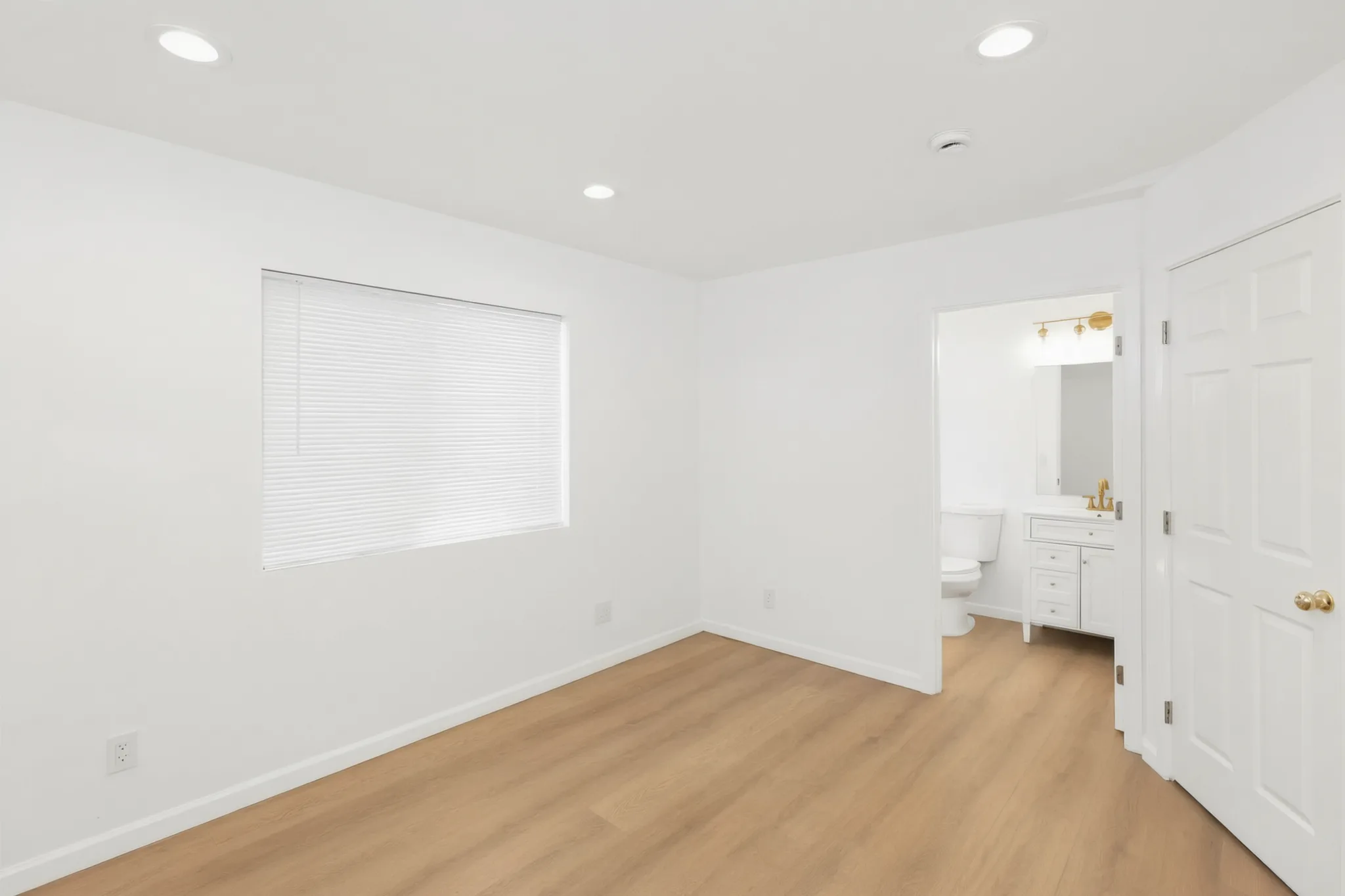
Avorino builds this
From reading to building.
Same team, end-to-end
Want the answer for your specific project?

- 01Project
- 02Plans
- 03Context
- 04Contact