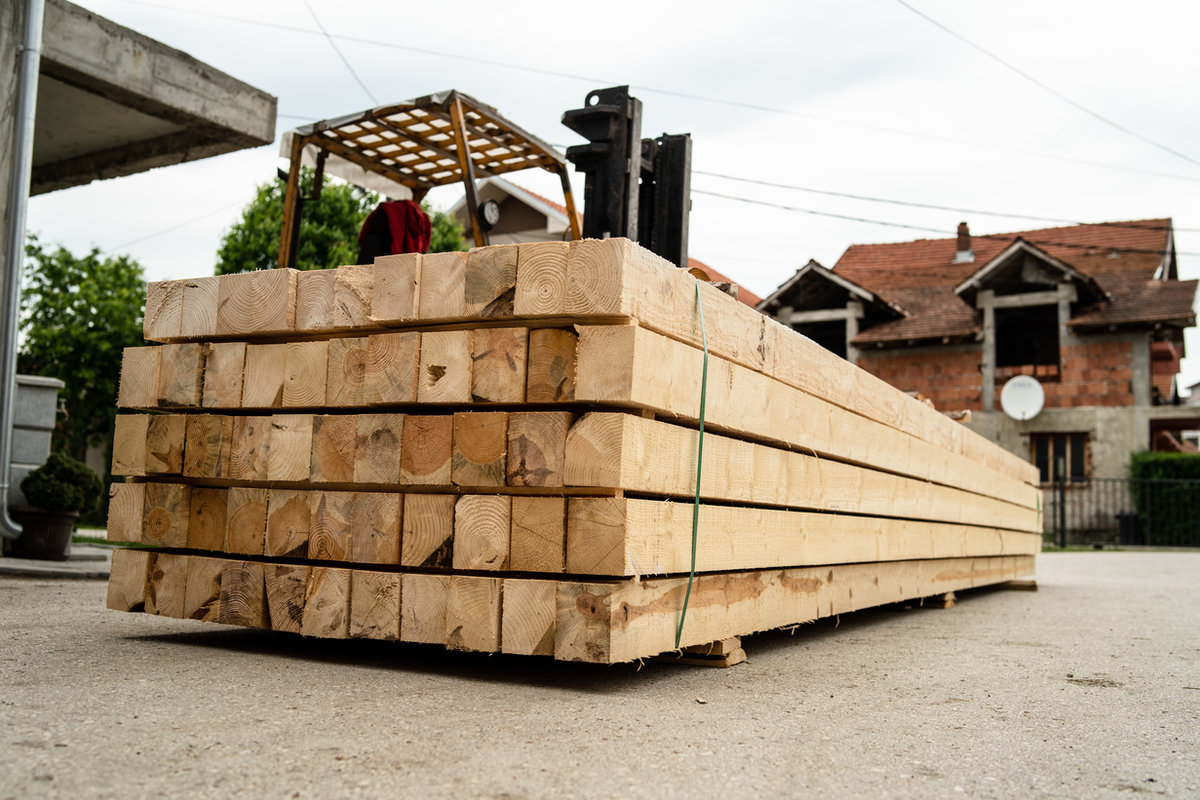
The possibility of new tariffs on building materials, such as steel, lumber, aluminum, and manufactured components, is sending ripples through the construction industry. For builders, homeowners, and developers focusing on micro-construction projects—like Accessory Dwelling Units (ADUs)—these tariffs could bring about significant challenges, influencing both cost and availability of essential materials. Understanding these potential impacts is crucial for anyone involved in or considering an ADU project.
Accessory Dwelling Units (ADUs) are small, self-contained residential units that can be built on the same lot as a primary residence. They come in various forms: detached units, garage conversions, or even units built over existing structures. In California, and particularly in areas like Orange County, ADUs are increasingly popular due to the housing shortage, rising rent prices, and the flexibility they offer homeowners.
According to the California Department of Housing and Community Development (HCD), ADU permits increased by 127% from 2020 to 2023, with more than 100,000 permits issued for ADU construction by the end of 2023.
The affordability and potential for additional rental income make ADUs attractive. However, their viability is heavily tied to the cost of construction materials. Even small fluctuations in pricing can impact their affordability, and tariffs could introduce significant volatility. That said, using the calculator on our website, comparing the loan payment, with possible rents, even if the prices increase by 10-15% which is unlikely, building ADUs remains a viable option.
Tariffs are taxes imposed on imported goods to protect domestic industries or retaliate against trade policies. When tariffs are placed on essential building materials like steel, lumber, aluminum, and prefabricated components, they increase the cost of these imports. This, in turn, raises the cost of construction projects, including micro-construction projects like ADUs.
In recent years, the construction industry has already seen disruptions due to previous tariff policies, especially during trade tensions between the United States and countries like China and Canada. With new tariffs being considered or potentially reintroduced, it's important to anticipate how these could impact the micro-construction market. On the other hand, under the Trump administration, there may be the possibility of lowering the taxes, lowering the cost of energy, etc. which may or may not balance with the possible price hikes due to the potential tariff.
When tariffs are imposed, the direct cost of imported materials increases. For a micro-construction project like an ADU, where budgets are often tight and margins are small, even a 10% rise in material costs can have a disproportionate effect on the overall project budget.
For example, if an ADU project has a material budget of $50,000 and tariffs increase costs by 10%, that's an additional $5,000 expense. For homeowners who have limited financial flexibility, this extra cost could make an ADU project unaffordable.
Using the calculator on Avorino's website, if the overall cost of an ADU increases by 10%, an average ADU cost will increase from $250,000 to $275,000. The additional $25,000 in hypothetical situation, will incur an additional $166 in loan payment, assuming the project is being fully financed. That said, increase the potential rent for an ADU by $150 in southern CA will be a deal breaker as the rent prices are already skyrocketing. So overall, even with Tariffs and potential cost hikes, building an ADU in SoCal is going to remain a viable choice.
Tariffs also have indirect effects. If tariffs create supply shortages or delays, contractors may experience project delays and increased labor costs. In addition, higher demand for domestic materials due to tariffs on imports can cause those domestic prices to rise as well. This compounds the financial burden for ADU projects.
Homeowners and developers considering ADU projects in places like Orange County may need to reassess their budgets and timelines. The following are potential effects:
When facing the challenges posed by tariffs, partnering with experts like Avorino can make a substantial difference. Avorino specializes in guiding homeowners and developers through the complexities of construction projects, including:
The potential introduction or increase of tariffs on essential building materials poses a significant challenge for the micro-construction market, particularly for ADU projects. Rising costs, supply chain disruptions, and reduced ROI could make ADUs less accessible to homeowners in California and beyond.
However, by staying informed and adopting strategic planning methods with the help of Avorino, homeowners can navigate these challenges effectively.